Foundation installation in Las Cruces NM - a solid base under the house you build
Planned with you, built to the engineer's plans
If you're building a home, an addition or a shop in Las Cruces, foundation installation is the step everything else stands on. We take the time to explain the plan before we pour, because the parts you can't see later are the ones that matter most.
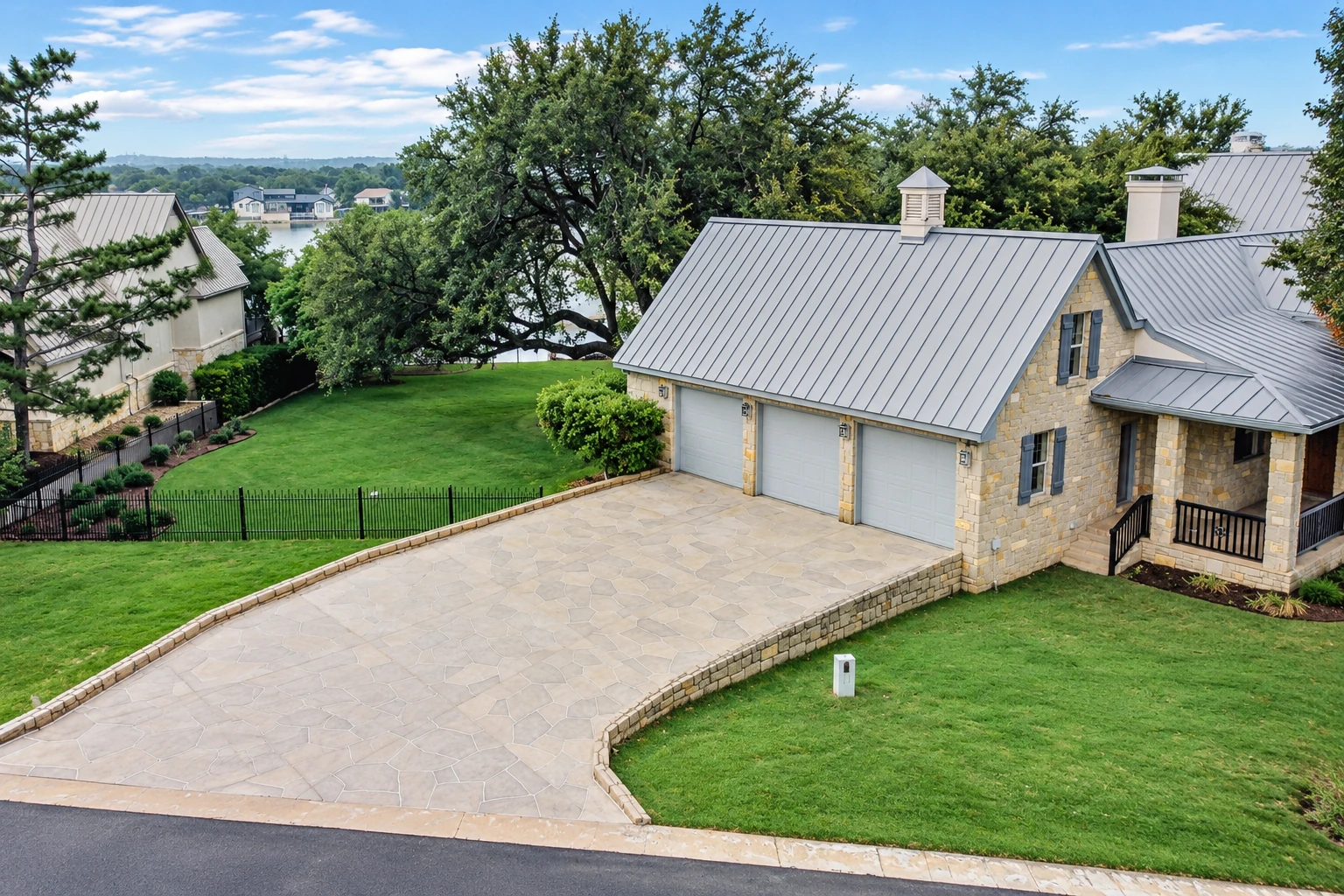
A foundation installation gives your walls solid ground
Foundation installation puts concrete footings or a slab on prepared ground, so your walls and roof sit on firm support. On commercial lots it often goes in alongside concrete parking lot building.
Price turns on the footprint, the slab type and the base your engineer calls for, and timing turns on the permit and the weather. Your estimate puts the scope in writing, so you know what you're paying for before we start.
Best for
- New homes on bare lots
- Room additions
- Shops and garages
Weight carried at the edges
Footings or thickened slab edges carry the outside walls and the roof, so that weight spreads into the ground instead of resting on a thin slab.
A packed base underneath
We lay a packed sand or gravel base to your engineer's specs, because it drains water and helps keep the slab from moving with the dirt.
Steel that holds it together
Rebar, the steel bars set inside the concrete, holds the slab together as the ground shifts, which helps keep any cracks that form tight.
The part nobody sees
The base is the first thing people want to trim from a budget, since nobody sees it after the pour, and it's the last place I'd cut.
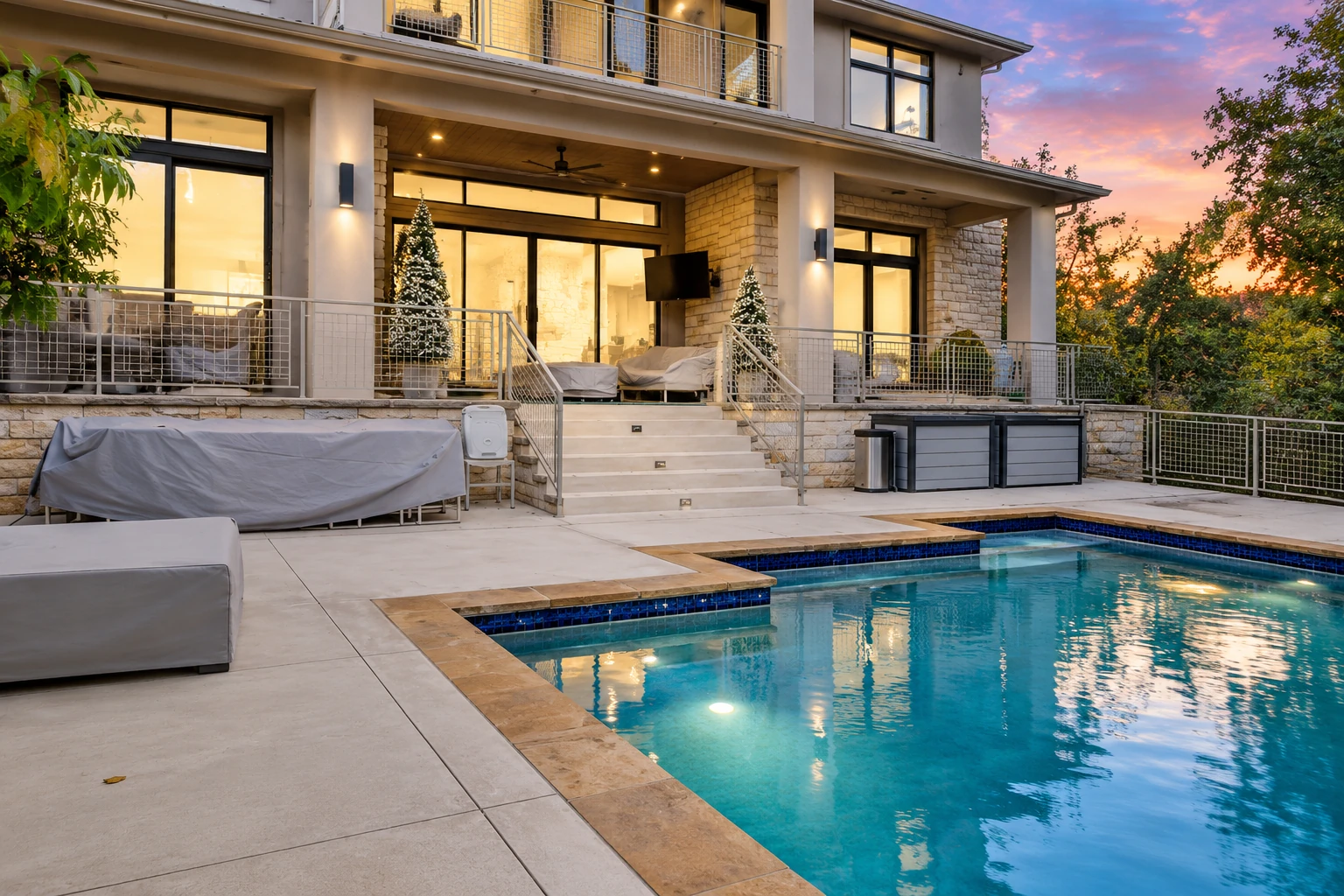
Foundations that hold start with the ground under them
- I come out myself to measure and write the estimate, then run the job from forming through finishing, so the base and the cure get watched.
- We've been in business since 2017, and we treat curing, the slow wait while concrete gains strength, as part of the job and not a pause.
- We're licensed and insured, and if your plans call for concrete footings on their own, call (575) 222-9080 and we'll go over them.
Choosing the slab your house sits on
Your plans and your lot usually point to one of these, and I'd rather explain why than just tell you which. Here's when each one fits.
Monolithic slab
Poured as one piece with thickened edges, it usually suits a level lot and a plan without much change in grade.
Stem wall slab
Suits a sloped lot or a raised floor, with footings set at or below the city's 6-inch frost depth before the slab goes in.
Post-tensioned slab
Steel cables are tightened inside the slab after the pour, which suits ground that shrinks and swells, since the slab resists that pull.
Addition slab
When you're adding a room, the new foundation has to meet the old floor height and sit beside the existing footings without crowding them.
Tell us about your foundation
Send your address, your plans and the slab type you're leaning toward. We reply within one business day to set up a free on-site estimate, with no obligation.
Foundation questions we hear in Las Cruces
Should my Las Cruces home have a monolithic or stem wall slab?
A monolithic slab usually suits a level lot, and a stem wall slab usually suits a slope or a raised floor. On ground that shrinks and swells, a post-tensioned slab is a cost-efficient option for a home. We go over both types with you and your plans, and the engineer's specs settle it.
Do I need a permit to pour a house foundation in Las Cruces?
Plan on one inside city limits, because the city issues building permits and most projects go through an application review first. The city says residential permits process within 0 to 3 business days, though a duplex or larger needs a pre-submittal review before you apply. We figure out which office covers your address, handle the application and keep you posted.
How do you keep termites out of a new concrete slab in Las Cruces?
We seal every pipe opening through the slab before the pour, because the city's code rates termite damage here as moderate to heavy and requires every opening through a slab to be sealed against termites, other pests and vermin. Keeping cracks tight helps too, since a crack is an easy way in for bugs and water.
What license does a concrete contractor need in New Mexico?
New Mexico's GS-4 classification covers concrete work from mixing and pouring through finishing, including the digging, the forms and placing the steel. Ask whoever bids your foundation which license they hold, and check that it covers that work before anyone digs.
Other concrete work we do
Concrete parking lot building
When a new building needs paved parking beside it, the lot can be planned on the same schedule as the foundation.
Explore Concrete parking lot buildingConcrete footings
For block walls, posts or a stem wall, footings carry the load into firm ground before anything is built on top.
Explore Concrete footings